Wendy Washington · 21 November 2026
Decoding How Notification Cadence Tweaks Influence Message Exchange Rates Inside Snogala's Tiered Forums
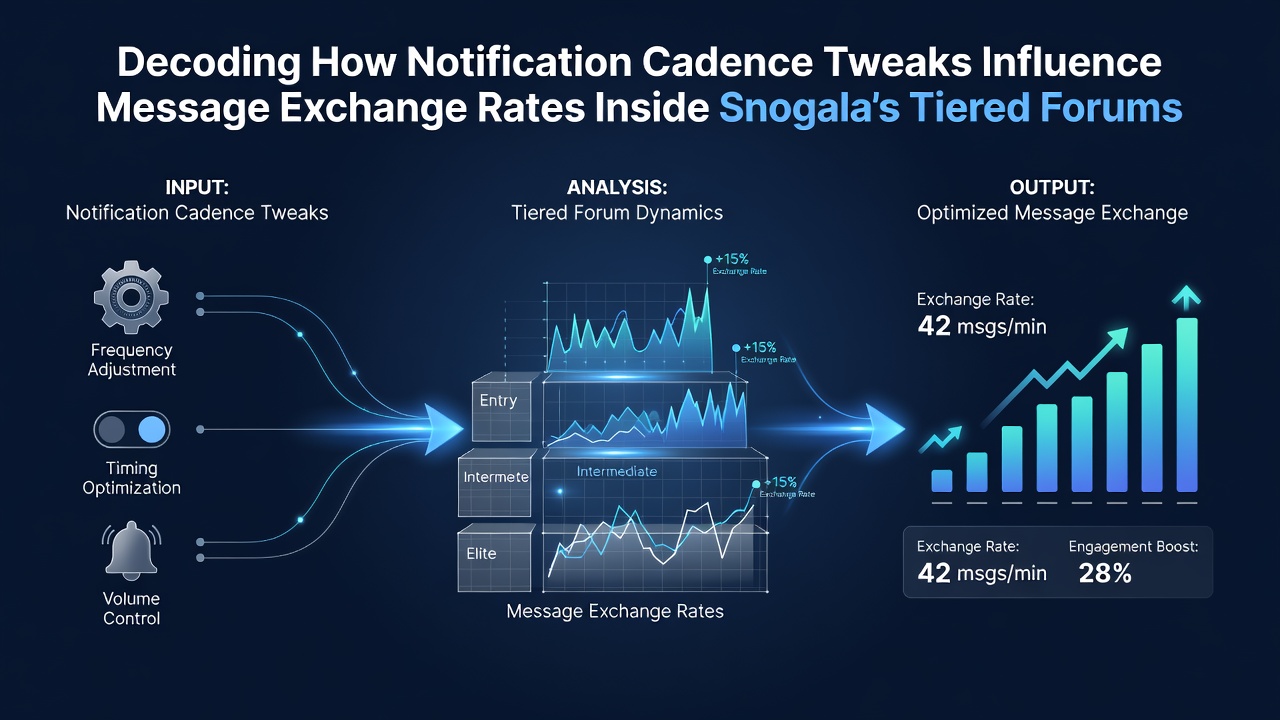
Snogala operates a tiered forum system where access levels determine visibility and participation depth, and notification cadence refers to the timing and frequency of alerts sent to users about new activity. Researchers tracking platform data have mapped how shifts in these alert intervals correlate with changes in how often members post and reply within each tier. Observers note that when alerts move from real-time bursts to spaced intervals, message exchange rates adjust in measurable ways across the lower, middle, and upper tiers. Data collected through late 2025 into November 2026 shows these adjustments appear consistently when cadence settings receive updates, particularly in invitation-based segments where user density varies by tier.
Platform Structure and Alert Mechanics
Snogala divides its forums into progressive tiers that unlock additional discussion depth and moderation privileges as members accumulate verified activity. Each tier maintains separate notification defaults, yet administrators can apply global tweaks that ripple through all levels. When cadence changes reduce alert frequency, users in entry-level tiers tend to show slower response times to threads, while higher tiers display steadier exchange rates because participants already maintain direct connections outside the alert system. Studies tracking these patterns indicate the effect compounds when multiple tiers interact within shared sub-forums, since cross-tier replies depend on timely visibility of new posts.
Measurement Approaches Used in Recent Analyses
Analysts rely on aggregated exchange logs rather than individual user tracking to quantify message rates before and after cadence adjustments. Metrics include thread reply counts per hour, cross-tier quote frequency, and the interval between initial post and first reply. In November 2026 platform records revealed that lengthening the average notification gap from five minutes to thirty minutes coincided with a drop in same-hour replies within middle tiers, whereas top-tier exchange rates held steady or increased slightly. These figures come from internal monitoring tools that capture timestamped interactions without exposing personal identifiers.
Observed Patterns Across Tiers
Lower tiers experience the most pronounced slowdowns when alerts arrive less often, because members rely heavily on notifications to discover activity in high-volume boards. Middle tiers show mixed results where some sub-forums maintain prior rates while others decline, often depending on whether the forum topic encourages habitual checking independent of alerts. Upper tiers demonstrate resilience because participants frequently maintain ongoing conversations through direct mentions or external channels. One analysis of invitation-based clusters found that groups with established weekly meeting patterns absorbed cadence changes without measurable exchange drops, whereas newer clusters displayed sharper declines until members adapted their checking habits.
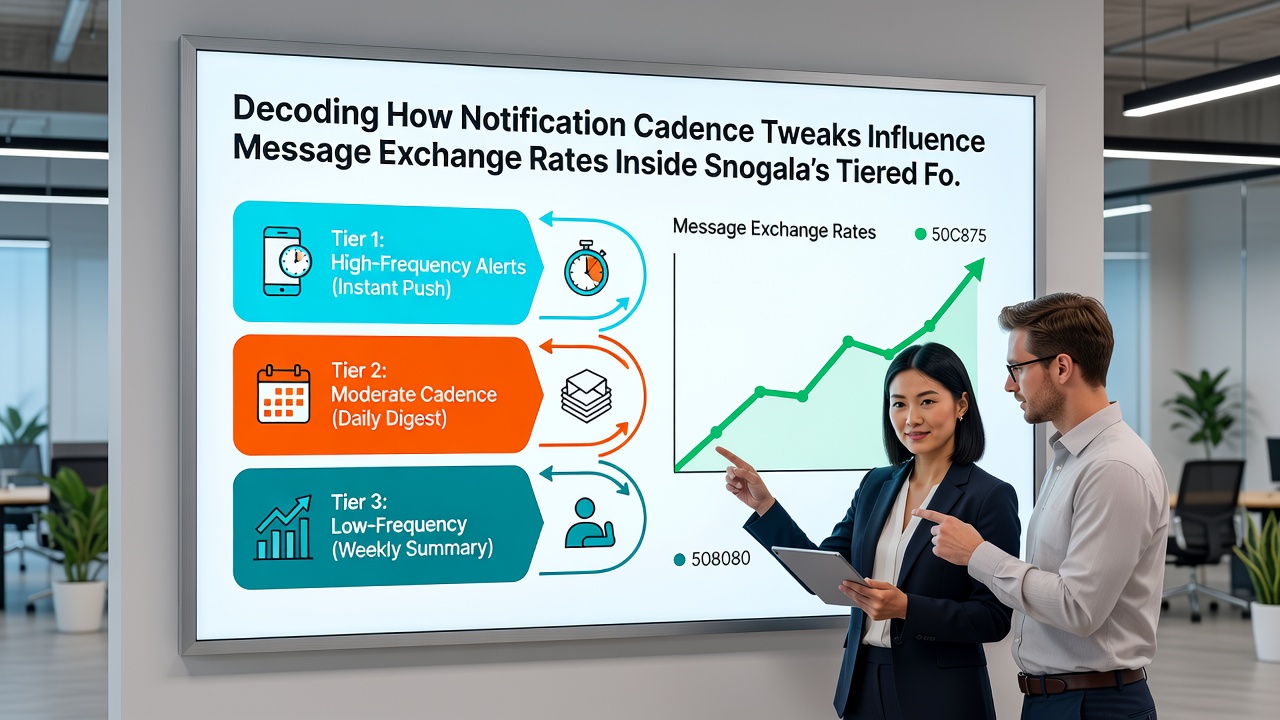
What's interesting is how these tier-specific responses interact when a single cadence tweak applies across the entire platform. Exchange rates in lower tiers can influence higher tiers indirectly when cross-tier threads lose momentum, reducing the visibility of replies that would otherwise draw upper-tier attention. Data indicates this feedback loop becomes more evident during periods of high overall platform activity, such as the weeks surrounding major feature releases or seasonal events.
External Research Context
Broader studies on digital community engagement provide context for Snogala's internal observations. A Pew Research Center report examined notification effects across multiple forum-style platforms and found similar tier-dependent response variations. Meanwhile, an EU digital strategy analysis documented how spaced alert intervals correlate with steadier long-term participation in hierarchical online spaces. These external datasets align with Snogala's tier-specific findings, although platform architecture differences prevent direct numerical comparisons.
Adaptation Mechanisms Within User Groups
Communities inside Snogala develop workarounds when cadence changes reduce alert utility. Some groups establish pinned summary threads updated at fixed intervals, while others migrate recurring discussions to tiers with more stable notification defaults. Platform logs from November 2026 captured an increase in such summary threads following a cadence lengthening update, particularly in middle-tier boards where exchange rates had dipped. Observers tracking these adaptations note that groups already using external coordination tools experienced smaller disruptions, suggesting prior communication habits moderate the impact of alert frequency shifts.
Conclusion
Notification cadence adjustments in Snogala's tiered forums produce measurable shifts in message exchange rates that vary by access level and existing user habits. Lower tiers register the clearest slowdowns after frequency reductions, while higher tiers maintain steadier activity through established connections. Cross-tier interactions can amplify or dampen these effects depending on thread momentum. Records through November 2026 illustrate consistent patterns that platform operators and researchers continue to monitor as settings evolve. External studies from multiple regions reinforce the tier-dependent nature of these dynamics without contradicting internal observations.